18 Oct 2026 · 5 min read · Freediving
A mask, fins and a belt will get you in the water. Here is what to buy first, what can wait a season, and the one piece almost everybody skips.
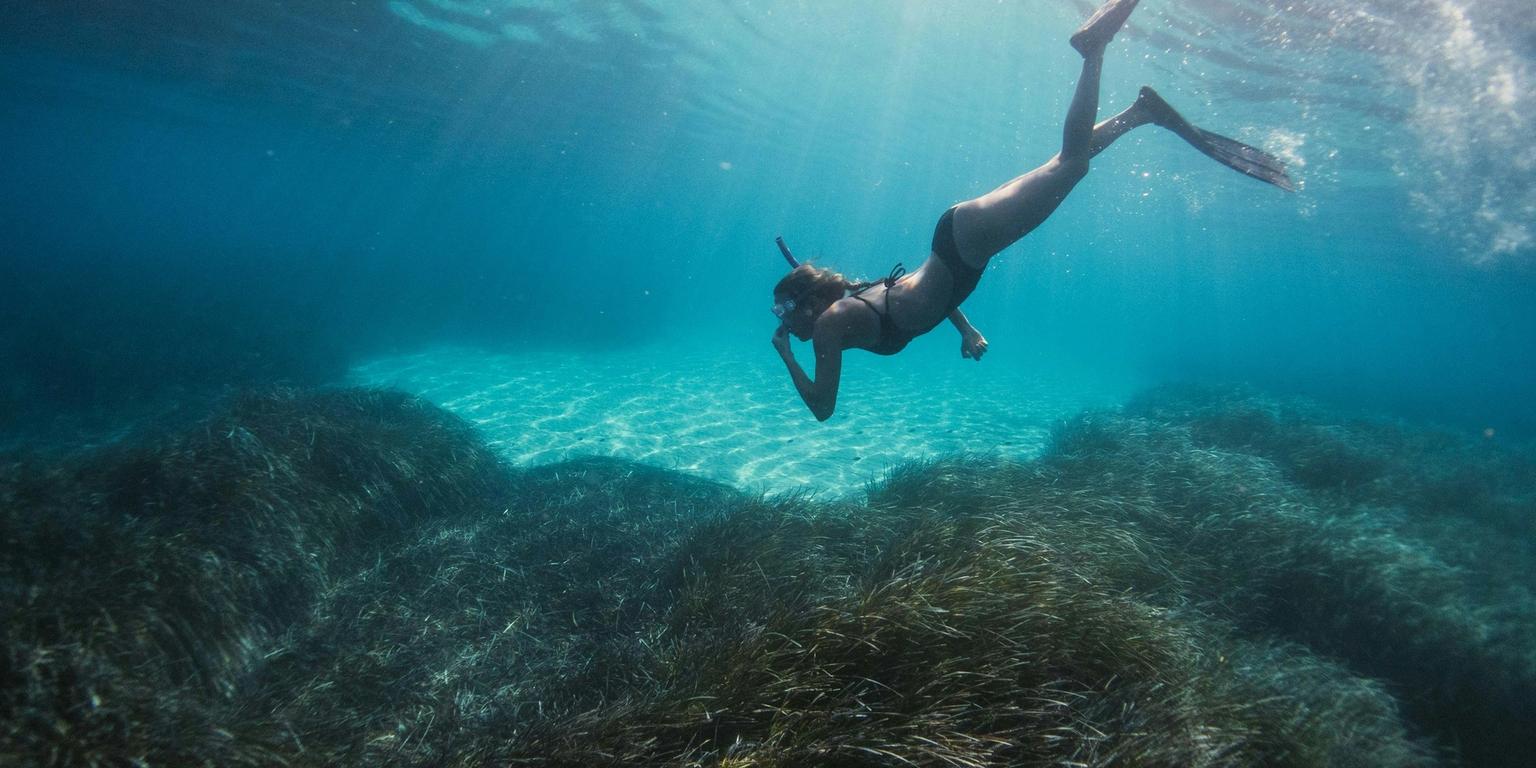
Gear is the easiest part of freediving to get wrong, because a shop floor rewards buying everything at once. You do not need everything at once. You need six things, in roughly this order, and the sixth is the one people skip.
The mask comes first
Buy for low internal volume. Every metre you descend, the air inside the mask compresses, and you have to push air up from your lungs through your nose to stop the skirt clamping onto your face. A big scuba mask holds a lot of air. At 20 m you are spending breath on the mask instead of on the dive.
Fit matters more than brand. Hold the mask against your face without the strap, inhale gently through your nose, and let go. If it stays on its own, the seal suits your face. If it drops, nothing will fix it — not a tighter strap, not a better lens. Try every mask on the shelf. Faces vary far more than masks do.
New silicone leaves the factory with a thin release film on the inside of the lens, and it will fog no matter how carefully you spit in it. Scrub the inside with plain white toothpaste and your thumb, rinse, and repeat three or four times before the first dive.
Then a snorkel, and keep it simple
A J-shaped tube. No purge valve, no dry top, no corrugated flex section. Those are built for scuba divers who clip a snorkel on and forget it.
The reason is safety rather than weight. You take the snorkel out of your mouth before you go down. If something goes wrong near the surface on the way up, a snorkel in your mouth is a direct path for water into your lungs. Breathe through it on the surface, spit it out, dive.
Fins: plastic now, carbon in two years
Long blades move more water per kick than scuba fins and let you cruise instead of sprint. Start with plastic.
Three reasons. Your kick will be poor for the first few months, and plastic forgives a poor kick where carbon simply punishes it. You will stand on rocks and drag your fins over concrete on the Mina entries. And carbon does not make a beginner faster — technique does, and technique is free.
Size them with the socks you will actually wear. A foot pocket that fits barefoot will blister you through 3 mm of neoprene, and a pocket one size too big wastes half of every kick.
A wetsuit, once you know you will keep going
Our water runs from around 28 °C at the surface in August down to about 17 °C in February and March. In August you can dive in a 3 mm or in nothing at all. By November you cannot.
If you buy one suit, buy 5 mm. It covers spring, autumn and a tolerable winter, and it is what most people on this coast dive in for most of the year. Go to 7 mm only if you are in the water in January or you feel the cold badly. A 3 mm is a second suit, not a first one.
A two-piece with a hood seals better than a one-piece — the high-waisted trousers and separate jacket overlap at the hips, and the hood covers the head, which is where most of your heat leaves. Open-cell neoprene grips your skin and seals far better than a lined suit, which is also why you need soapy water to get into it. Lined suits slide on dry and are easier to live with. Neither is wrong.
The weight belt, and only the belt
Rubber, not nylon webbing. A rubber belt stays on your hips when you fold at the waist to duck-dive. A nylon one climbs to your ribs and sits there, pressing exactly where you want your chest free.
Weight yourself light. The target is floating comfortably at the surface with full lungs and being roughly neutral at 10 m, so that the start of the dive costs you effort and the end of the ascent does not. Most beginners wear two or three kilos more than they need, and that extra lead is the most common reason a shallow dive turns into a bad one.
Add lead in half-kilo steps, and check your weighting again every time you change suits.
The buoy, which is the piece people skip
A surface buoy with a dive flag makes you visible to boats, gives your buddy something to hold while watching you, and gives you something to hang on while you breathe up. Nobody feels good about spending money on a buoy. Everybody who dives without one, on a coast with as much boat traffic as ours, is taking a risk they have not thought through.
If you are training on a line, add a lanyard and clip in. A buoy, a weighted line and a lanyard turn vague deep dives into something you can measure, repeat and stop.
What can wait a season
- A dive computer. Useful, but a cheap watch and a buddy who counts will do for the first months.
- A torch, until you start diving holes and the undersides of rocks.
- A knife, unless you are spearfishing, where it is day-one gear.
- Gloves and socks, unless the entry is sharp or the water is under 20 °C.
- Carbon fins.
Before any of it, a course
Gear does not keep you safe. A trained buddy does. Take a beginner freediving course before you spend money on carbon anything, and never dive alone — not in the shallows, not for one quick breath-hold while your buddy swims back. That is the one rule in this guide with no exceptions.
Come in and try masks on. Bring the socks you dive in.
Shop the guide
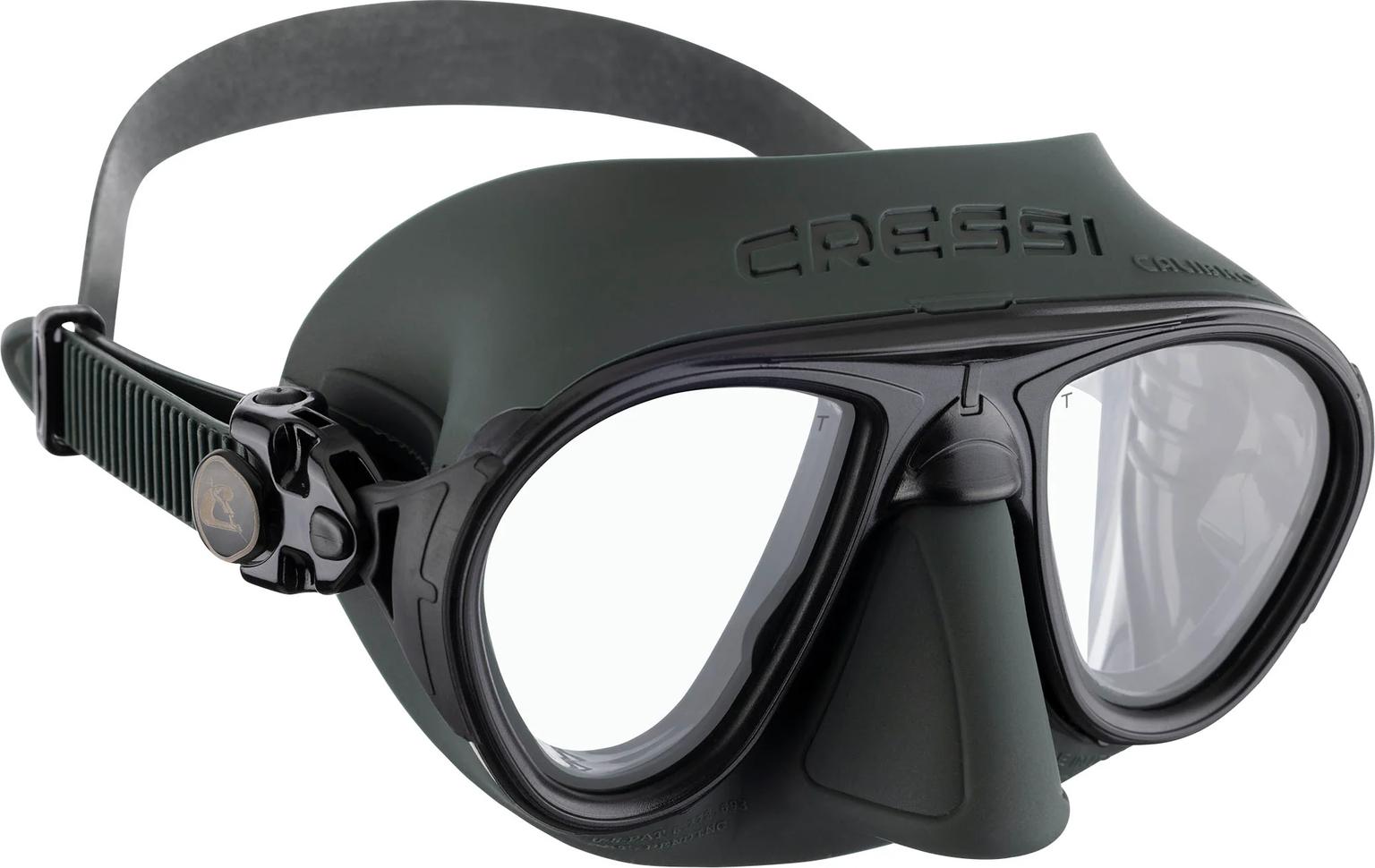
Cressi Calibro mask
Mask · Low
Snorkel
Snorkel
Plastic blade fins
Plastic · Black
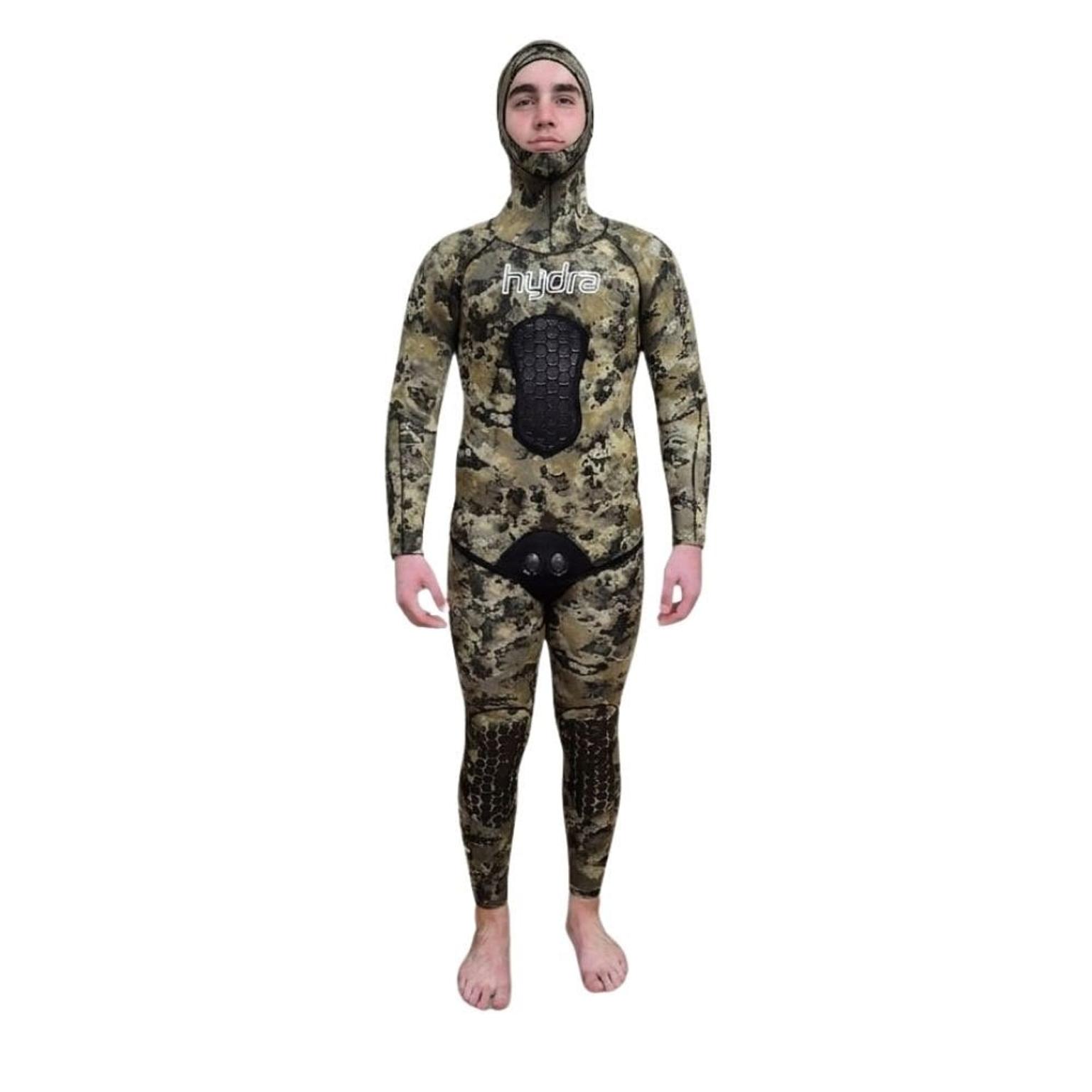
Hydra wetsuit 5 mm
5 mm · Two-piece
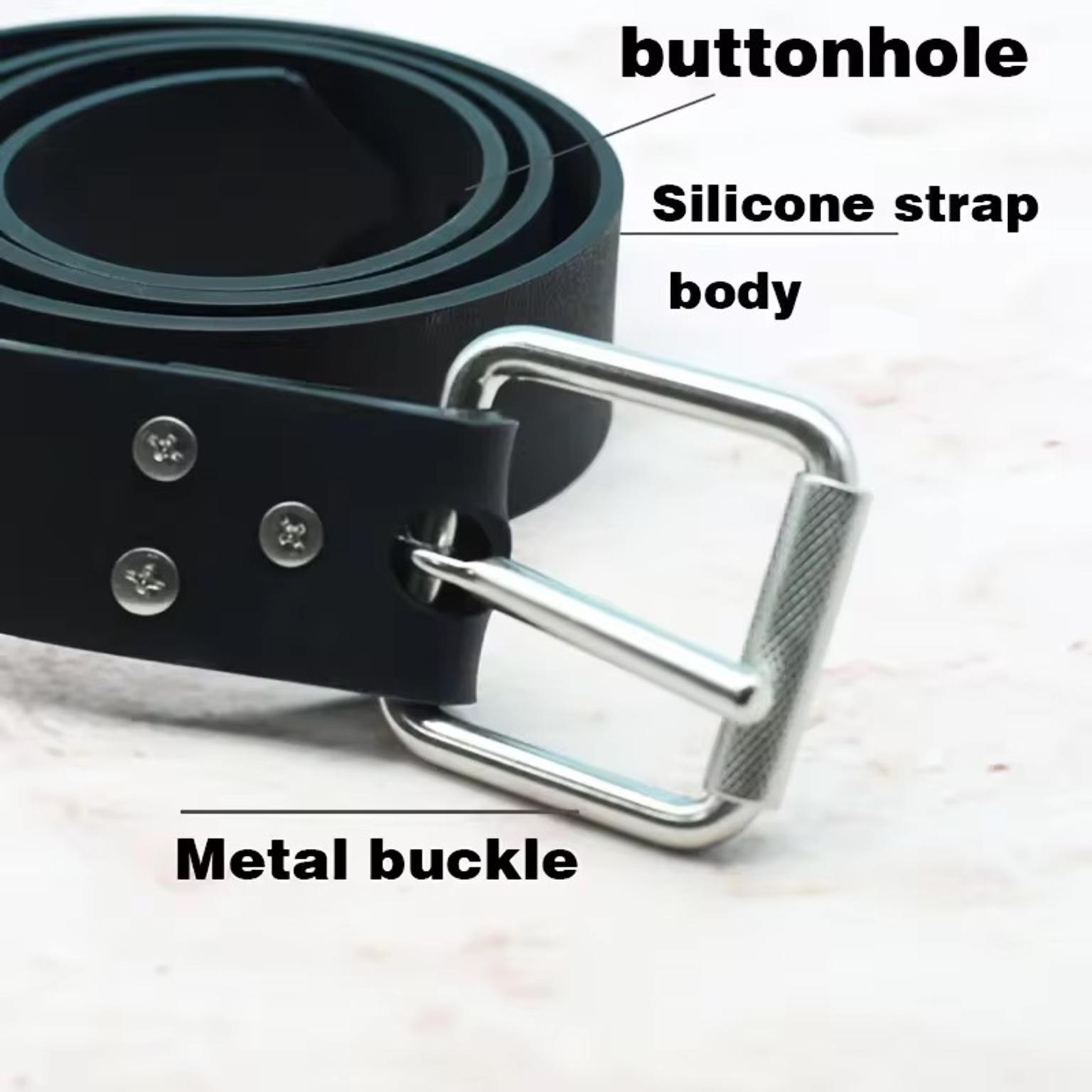
Rubber weight belt
Belt · Rubber
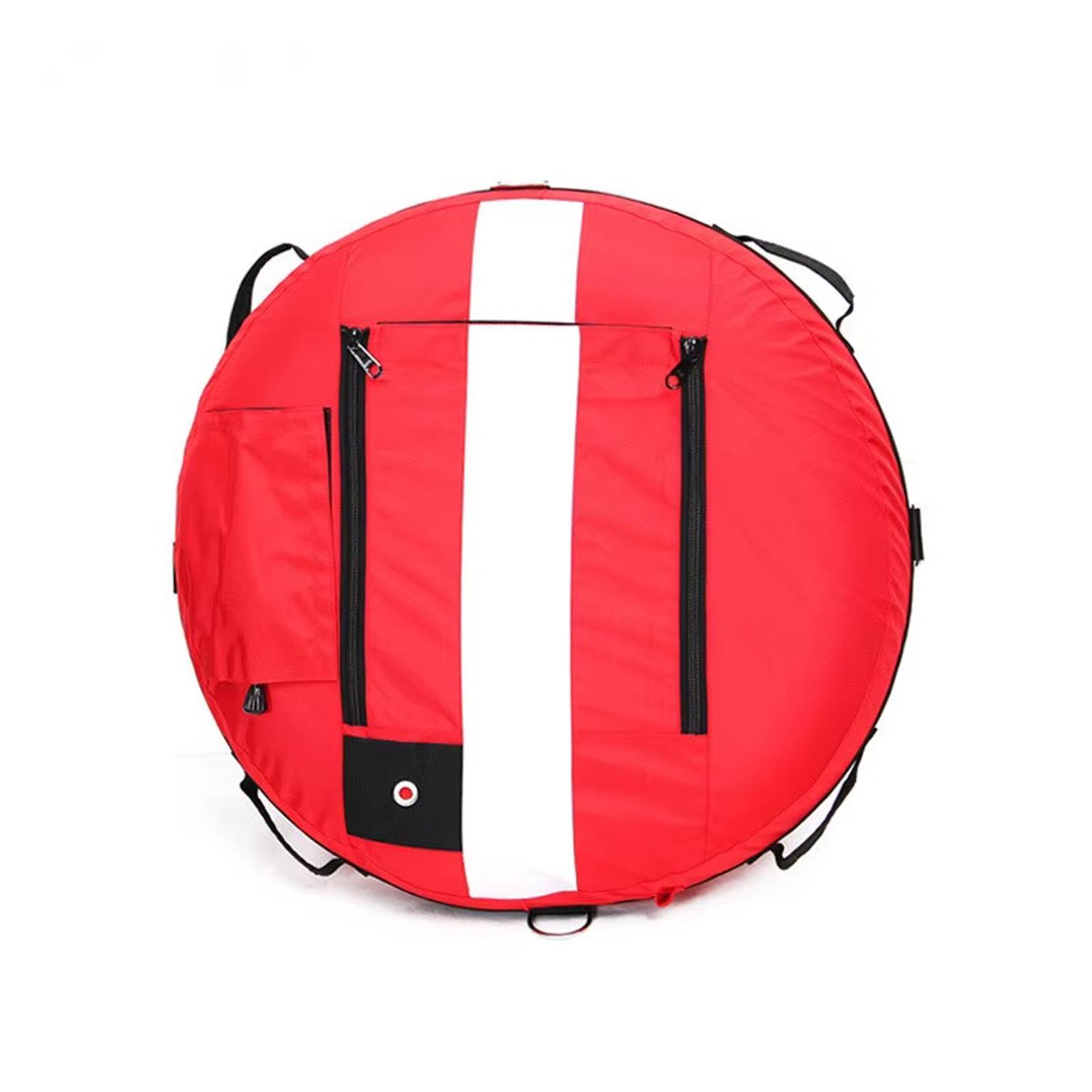
Freediving float
Buoy