15 Sept 2026 · 4 min read · Freediving
Depth is the least interesting number in freediving and the one everybody asks about. How to add metres slowly, and the rules that never bend.
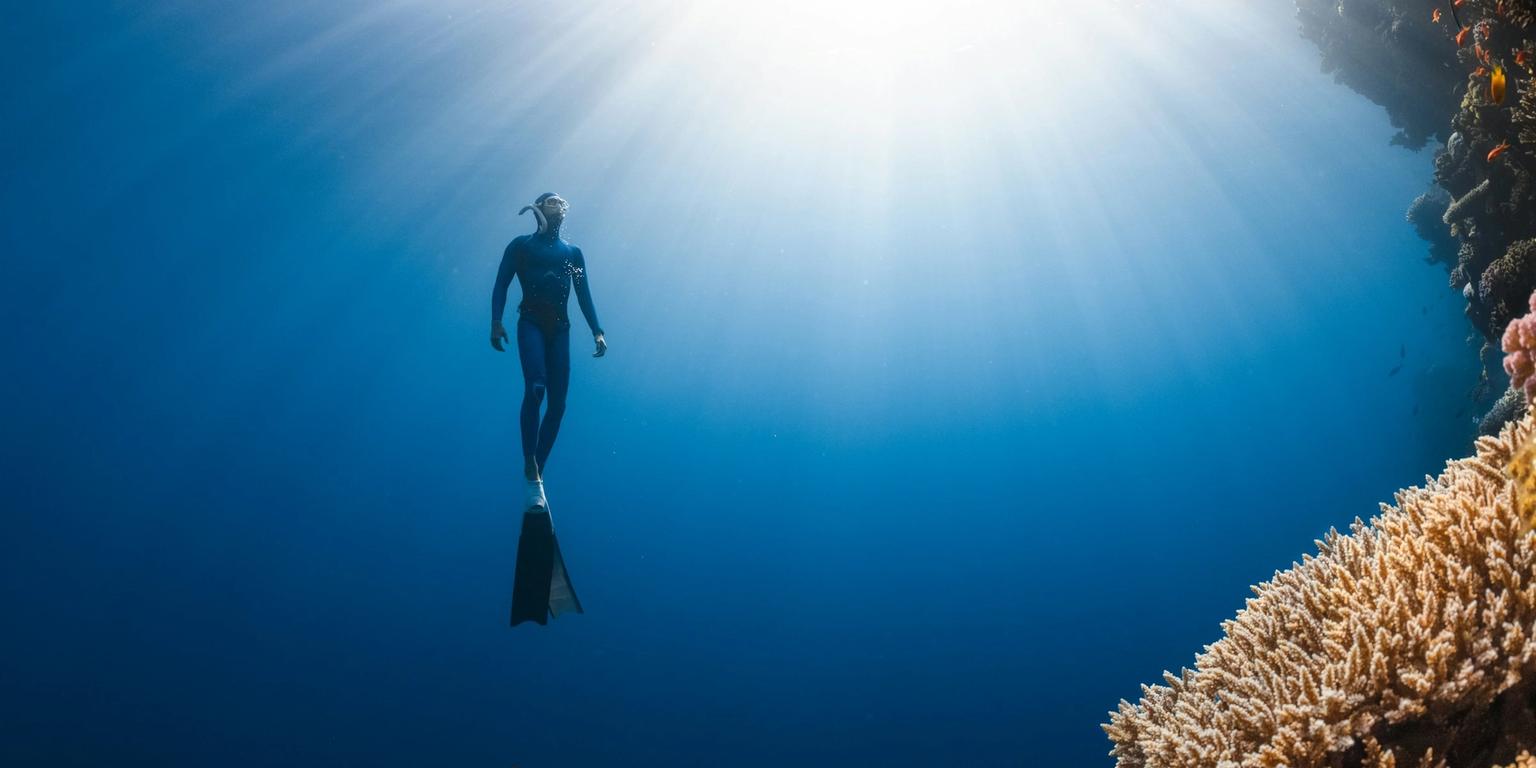
Depth is the least interesting number in freediving and the one everybody asks about. It is also the number that gets people hurt, because depth is easy to chase and slow to earn.
Progress is boring on purpose
A metre or two per session, in good conditions, with everything else going right. That is the whole method.
Divers who add five metres in an afternoon are not progressing faster. They are collecting dives their body has not adapted to, and they are skipping the warnings those dives would otherwise have given them.
Your ears, your sinuses and your chest adapt over weeks and months. Rib cage flexibility, tolerance for carbon dioxide, the ability to equalise under compression — none of it comes from one big dive. All of it comes from many unremarkable ones.
The rules that do not bend
Never dive alone. Not at 5 m, not in a pool, not for one quick breath-hold while your buddy swims back to the boat. Shallow water blackout kills experienced divers in two metres of water, and it kills them because nobody was watching.
One up, one down. One diver in the water at a time. The other stays on the surface, watching, timing, and ready to go down and bring their partner up.
Meet your buddy on the ascent. The last 10 m are where blackouts happen, because that is where the pressure drops fastest and the oxygen left in the lungs falls away quickly. Your buddy should be waiting at around 10 m and come up alongside you, hands off but close enough to take hold.
Thirty seconds of surface protocol. When you surface, hold the buoy, keep your airway clear of the water, breathe, and give a clear signal. Your buddy watches you for a full thirty seconds after the dive. Most blackouts happen in the first fifteen.
Clip in on a line. A lanyard on a weighted line means you can be pulled up. Without it, a diver who blacks out below their buddy's reach is simply out of reach.
No hyperventilation. Breathing hard before a dive does not add oxygen. It strips carbon dioxide, which removes the urge to breathe — the warning that would otherwise tell you to go up. It does not make you safer. It makes blackout quieter.
What ends the day
Any one of these and you are finished for the day, not "one more, carefully".
- An ear that will not equalise. Forcing it buys you a perforation and a month out of the water.
- A cough, a cold, or a blocked sinus.
- A headache after a dive, a taste of blood, or any blood in the mask.
- Contractions starting much earlier than they normally do.
- Poor visibility, current, boat traffic, or a buddy who is cold and tired.
- Any dive where you had to fight on the way up.
A season that works
If you want a shape for it: dive twice a week. Keep the first dives of every session shallow and slow. Let the deepest dive be the third or fourth of the session, never the last — finish on something comfortable.
Keep a note of depth, time, suit, lead and how it felt. Not to compete with yourself, but because after two months the pattern in that notebook will tell you what is actually limiting you, which is rarely what you assumed.
Expect plateaus. Expect a month when 24 m feels worse than 24 m felt in June. Expect days when you turn at 12 m and go home. All of that is normal and none of it is failure.
Your ears set the ceiling, not your lungs
Almost nobody is stopped by their lungs in their first years. They are stopped by equalisation. If your depth has not moved in two months, it is far more likely a technique problem in your throat and ears than a fitness problem, and the fix is dry practice on your sofa, not deeper dives.
Cold, current and our own coast
Our water loses its warm surface layer by late autumn, and in summer there is often a sharp drop in temperature somewhere past 20 m. Cold at depth tightens your chest, slows your equalisation and shortens your dive, which is why your deepest dives of the year will usually be in September and October rather than in August.
Boat traffic off the Mina is real and it does not look for divers. Buoy, flag, and a buddy on the surface who can be seen.
Take a course, then keep training
A certificate is a start, not an achievement. Divers do not get deeper by collecting courses. They get deeper by training the same unglamorous things for months. Take a beginner course so you have a trained buddy and a vocabulary for what your body is doing, then go and do a hundred unremarkable dives.
The best divers we know are the ones who turn around the most.
Shop the guide
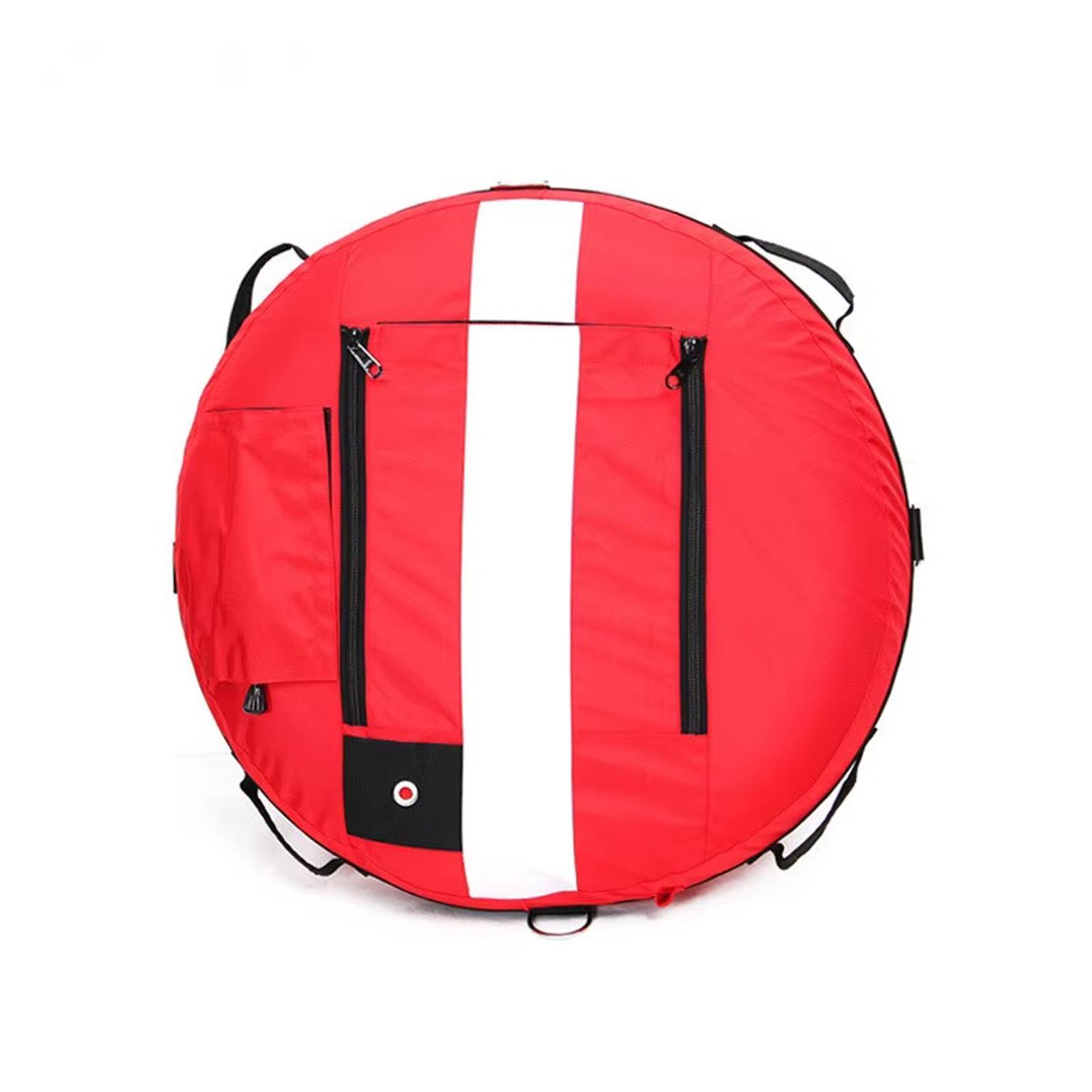
Freediving float
Buoy
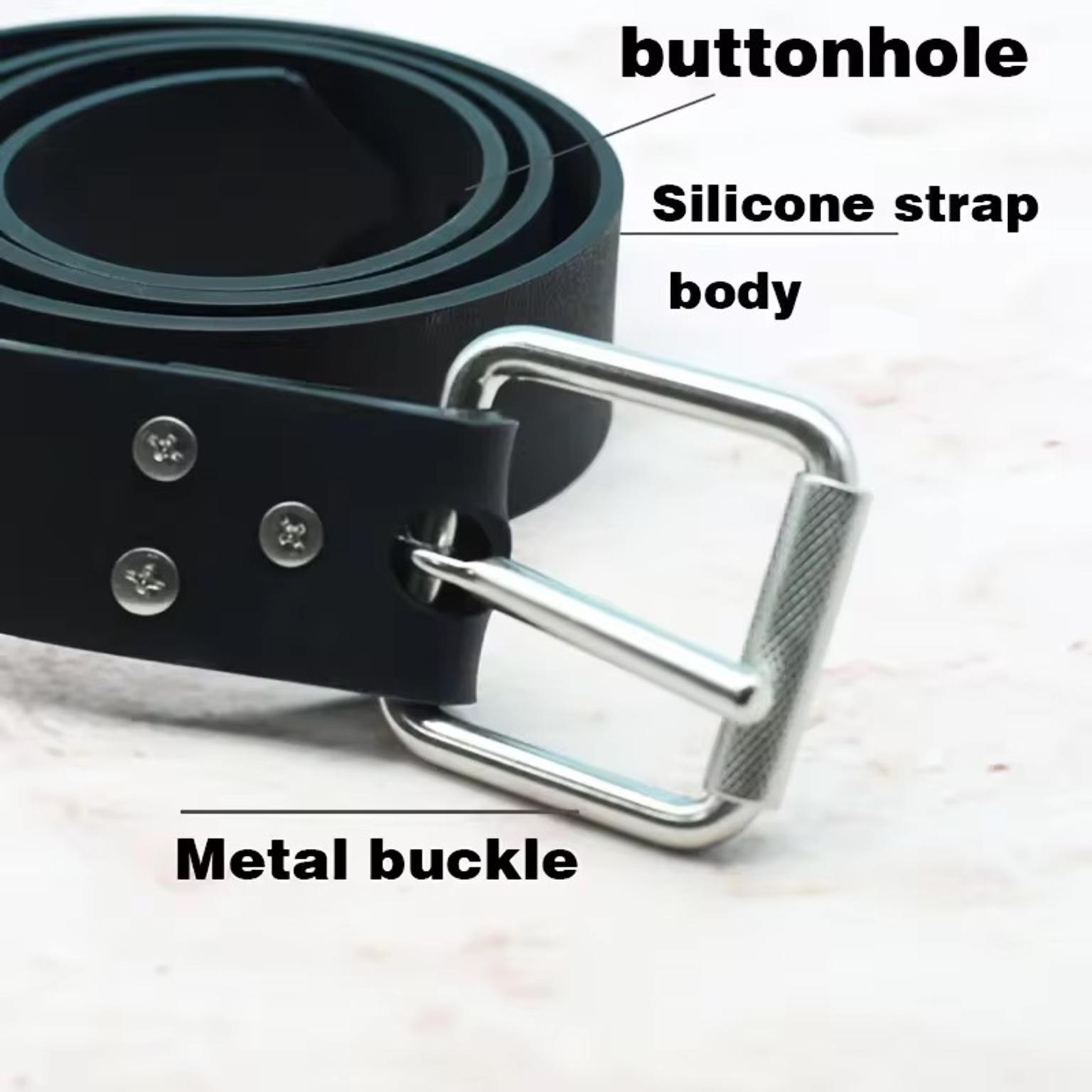
Rubber weight belt
Belt · Rubber
Elite carbon fins
Carbon · Black
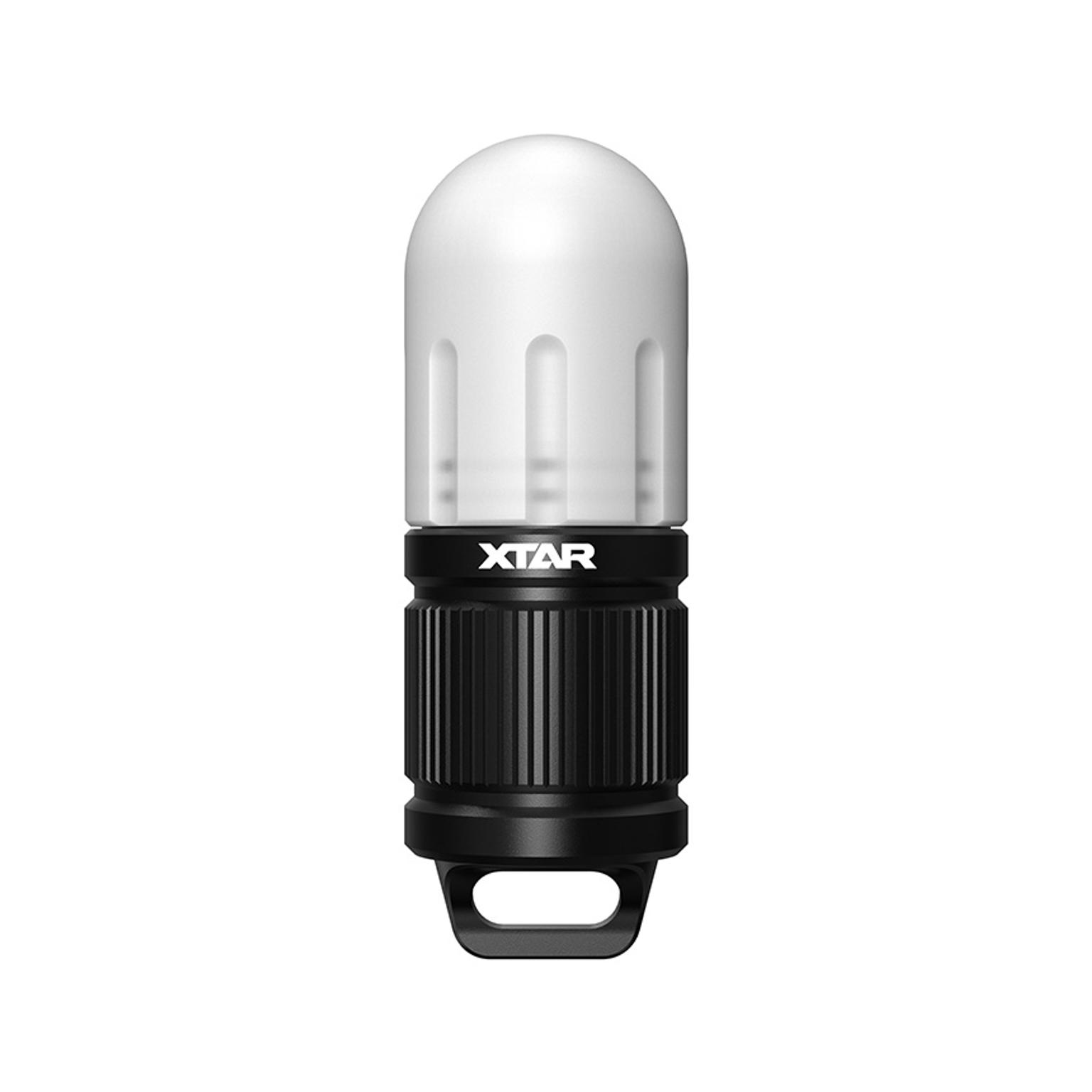
XTAR SD1 dive beacon
Beacon · 25 lm
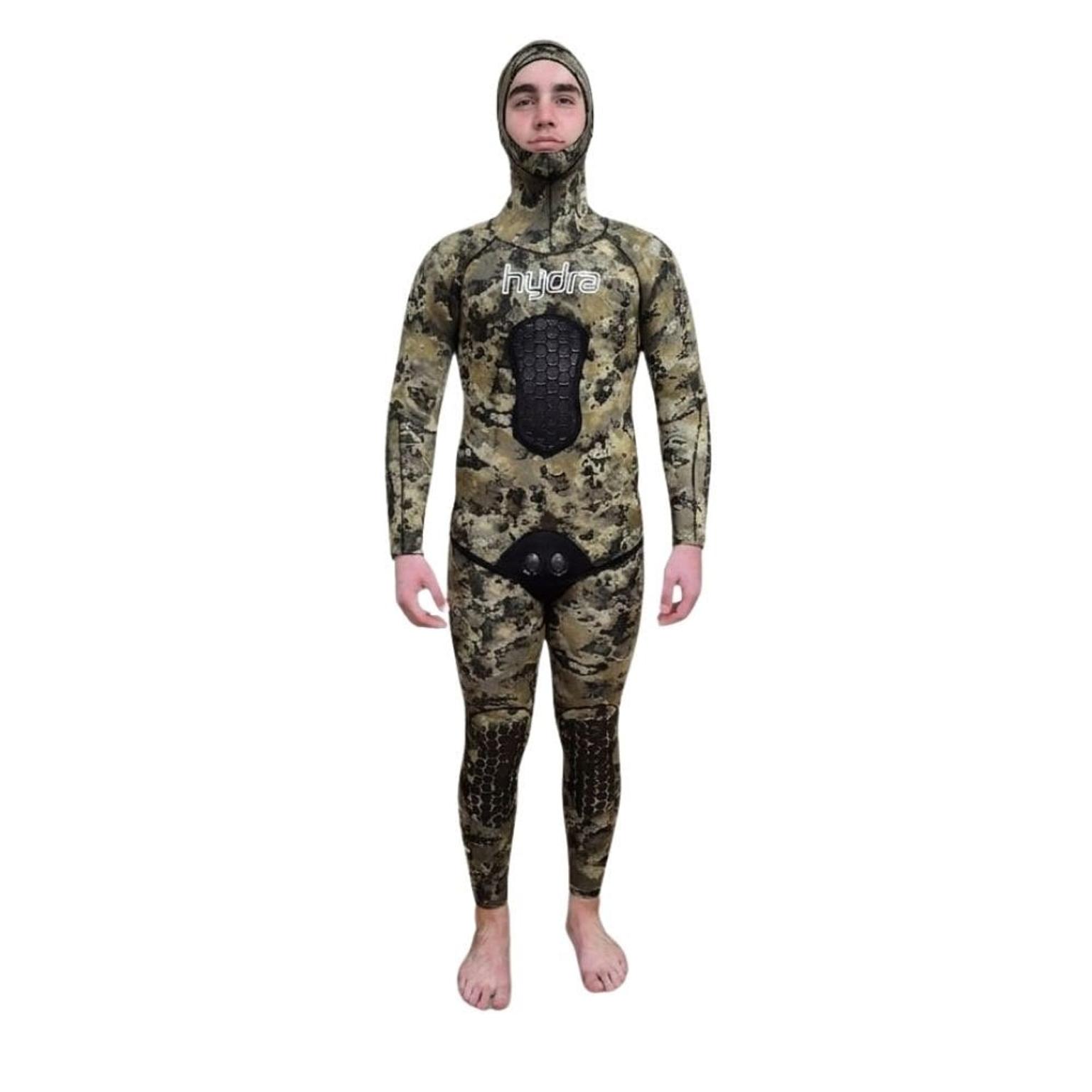
Hydra wetsuit 5 mm
5 mm · Two-piece